


Medical mistreatment, neglect documented at Maryland forensic psychiatric hospital
IRW by Carolyn Neugarten, November 2026
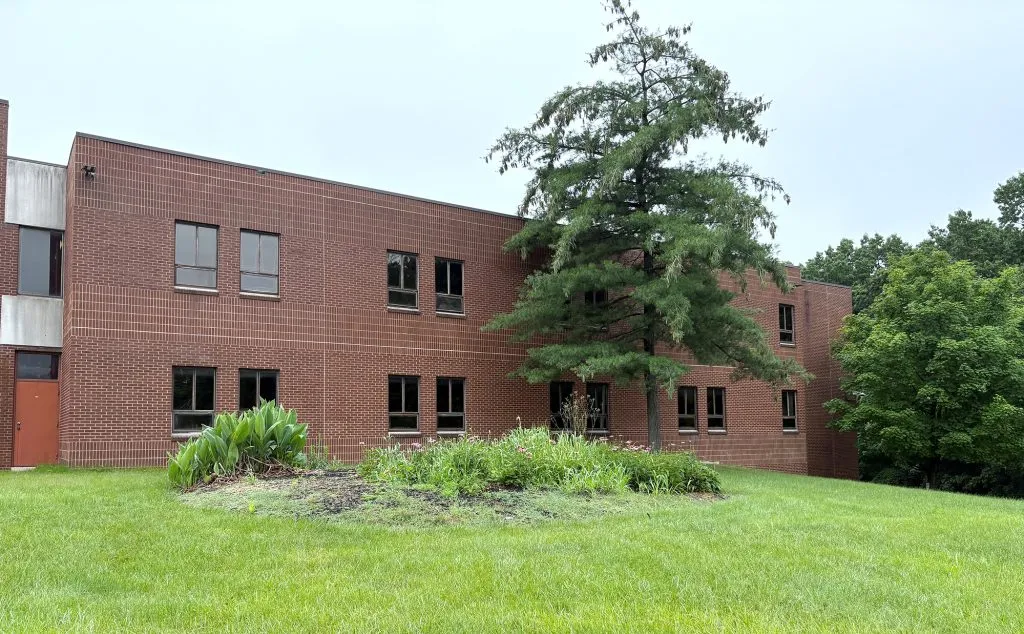
An investigation by Disability Rights Maryland as well as interviews conducted by the Investigative Reporting Workshop find systemic medical neglect, delayed emergency care and cases of preventable deaths at Clifton T. Perkins Hospital Center, Maryland’s sole maximum-security forensic psychiatric hospital.
Karen Gilbert-Mims didn’t know where her son was.
For nearly two weeks in late June, no one at Clifton T. Perkins Hospital Center in Jessup, Maryland told her that Jason Edwards–43 years old, diagnosed with paranoid schizophrenia and in and out of the hospital for over two decades–had collapsed inside the hospital’s clinic.
When his father called the secure psychiatric hospital to check on him, Perkins staff asserted that Edwards had left and was no longer a patient there.
This wasn’t true.
Gilbert-Mims, his legal guardian, only learned what actually happened when a doctor at Johns Hopkins Howard County Medical Center called seeking her permission to operate.
Edwards had been hospitalized there for weeks with a bowel obstruction caused by one of his psychiatric medications, and no one had notified his next of kin. He had already undergone another surgery and was in intensive care.
Gilbert-Mims found her son sedated, intubated and shackled to his hospital bed, surrounded by security staff laughing at Facebook videos on their phones. Most of his teeth were missing or rotten.
Edwards’ story is among several documented in a two-year investigation by Disability Rights Maryland (DRM), the state’s federally designated protection and advocacy organization. DRM published its findings in a June report, Treatment Not Trauma: Urgent Action Required to Protect Patients at Clifton T. Perkins Hospital Center.
The hospital declined to comment on the report.
Read more at IRW.